Botanical specifications
- Botanical name: Ceratotheca sesamoides (“false sesame”)
- Plant family: Pedaliaceae
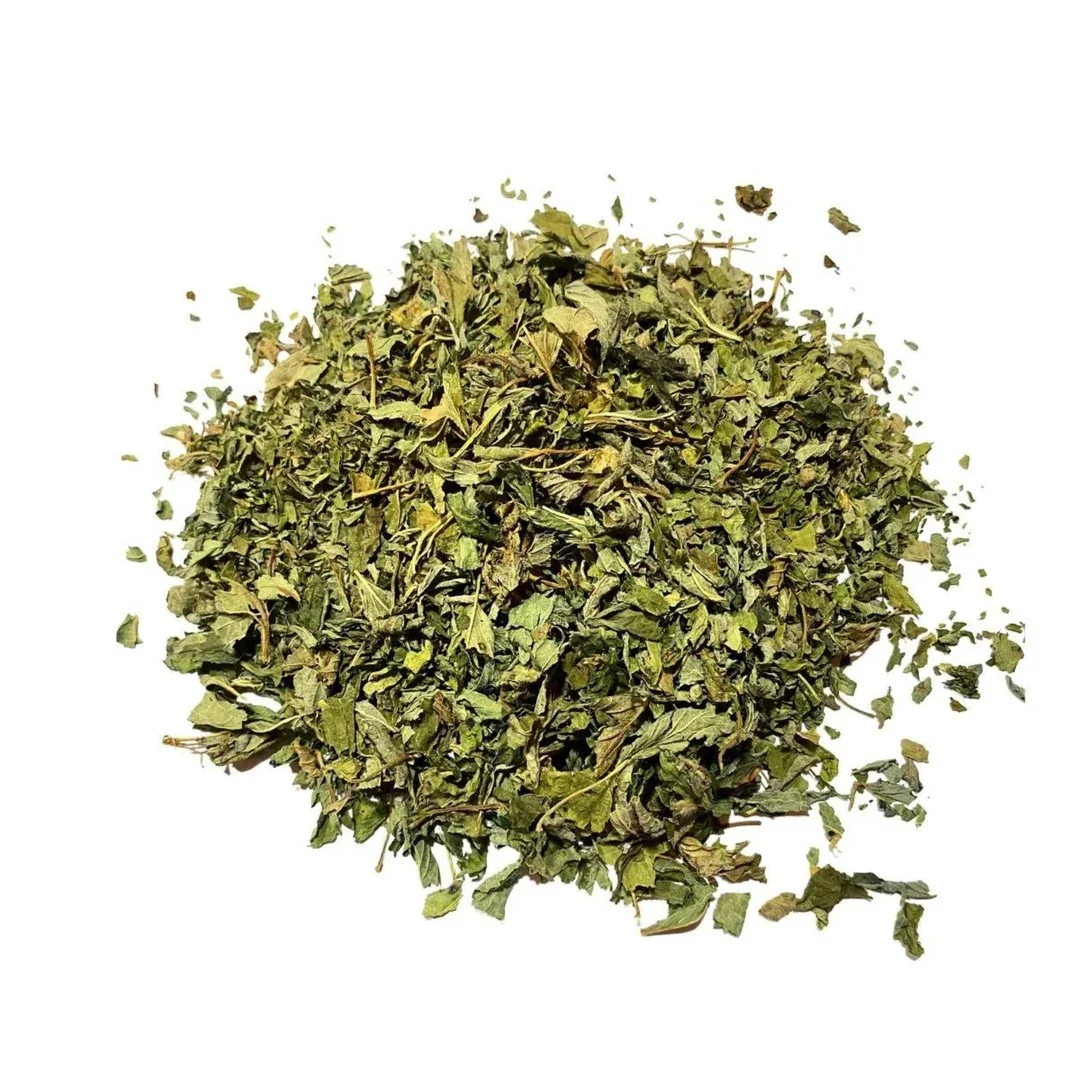
- Plant part used: Whole leaves, shade-dried
- Origin: Guéra region, Chad
- Certification status: Not certified organic. Wild-gathered; cooperative and lot documentation available on request.
Pillar ingredient · Guéra, Chad
Ambunu, the wash-day detangler that makes chebe possible.
Whole ambunu leaves (Ceratotheca sesamoides, “false sesame”), shade-dried in the same villages where the chebe is blended. The slip you use the day before chebe goes on. Soaked, the leaves release a mucilage that detangles without stripping.
What ambunu is
Ambunu is the dried leaf of Ceratotheca sesamoides, a wild Sahelian herb in the sesame family (Pedaliaceae), sometimes called false sesame. In Chad it is harvested, sun-dried briefly, then shade-cured in the same Guéra villages that produce chebe. The leaves are sold whole or lightly broken, never powdered. When soaked in warm water the leaves release a thick mucilage with the slip of an aloe gel and the body of a flax decoction.
In the Chadian routine, ambunu is the wash-day step. The leaves go in water the night before, and the resulting infusion is poured through the hair as a final rinse, leaving each strand coated and detangled before the chebe paste goes on. It is the missing half of the protective routine that most outside the region never see.
How to use ambunu
- Soak. One handful of whole leaves (about 15 g) in 1 litre of warm water. Cover, leave 6 to 12 hours. Overnight is ideal.
- Strain. The liquid should be amber-green, slightly viscous. Discard the leaves or compost them.
- Apply as a final rinse. After shampoo and conditioner, pour the infusion slowly through the hair, working through the lengths with your fingers. Do not rinse out.
- Detangle. The slip lets a wide-tooth comb glide. Section the hair, comb each section, then style.
For deeper conditioning, blend the soaked leaves into a slurry, apply as a 30-minute mask, then rinse. Combine with shea butter for very dry hair, or with chebe powder for the full traditional ritual.
Why it works
- Mucilage polysaccharides. The viscous gel that develops on soaking is a natural conditioner that coats the hair shaft and reduces friction during combing.
- Mild saponins and emollients. The leaf is a mucilaginous Sahelian green, and the same compounds that make it slippery give a gentle, soap-like cleansing action and a softening finish that smooths the cuticle.
- No surfactant load. Unlike a conditioner, ambunu does not need to be rinsed out, so the slip stays on the strand into the next styling step.
Where ours comes from
Our ambunu is harvested by the same Guéra Women’s Cooperative that blends our chebe. The plant grows wild in the rocky soils above the village. Harvest happens after the short rainy season, when the leaves have peaked and the stems are still soft. We pay per kilogram of dried weight, in advance, at a rate the cooperative sets each year.
Read the Guéra cooperative profile
Two traditional rinses
Recipe 1
Classic detangling rinse
- 15 g whole leaves
- 1 L warm water
- Overnight soak
Strain, apply after shampoo, work through lengths, leave in. Comb gently. Style.
Recipe 2
Slip mask, pre-chebe
- 30 g whole leaves, soaked then blended
- 1 tbsp shea butter
- 30 min under a cap
Apply, cap, rinse, then move to chebe paste. The full Chadian one-two.
Shop ambunu
From 5 kg, up to 100 kg and beyond.
Wholesale weights only. For volumes above 100 kg or recurring supply, request a quote.
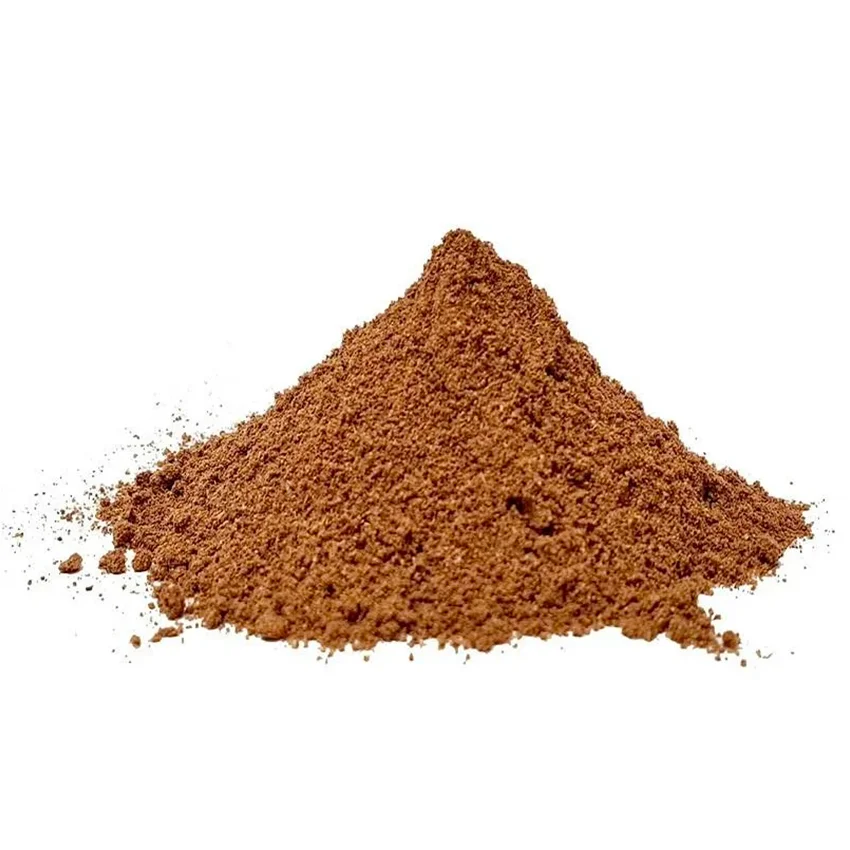
Sample Box · Chebe, Ambunu & Shea Butter · 3 × 250 g
$74.99Chebe Hair Care Routine · Ambunu, Chebe & Shea Butter
Original price was: $704.97.$634.47Current price is: $634.47.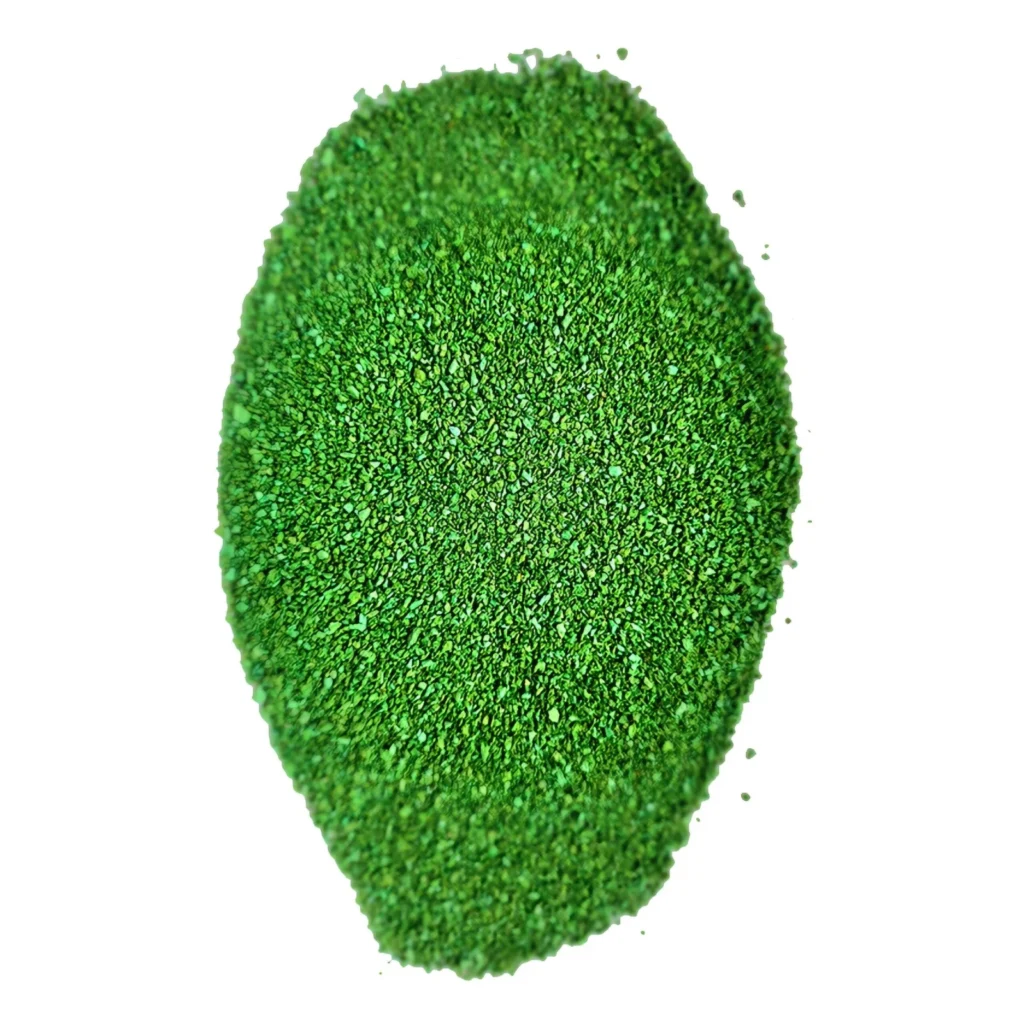
Dihé Spirulina · Wild-Harvested by Kanembu Women, Lake Chad
Price range: $369.99 through $4,914.99
Frequently asked
Ambunu, answered.
Is ambunu the same as false sesame?
Yes. Ambunu is the Chadian name for Ceratotheca sesamoides, a wild Sahelian herb in the sesame family sometimes called false sesame. It is unrelated to true sesame and is used here for hair, not for seed oil.
Can the leaves be used for anything besides hair?
In parts of the Sahel the young leaves are eaten as a mucilaginous cooking green. The leaves we sell are prepared and graded for topical hair use, so for culinary use you should source a food-grade product specifically.
How long does the soaked infusion keep?
Refrigerated, 3 days. After that, the mucilage breaks down and the slip is gone. Make in batches of 1 to 2 litres at a time.
Will it leave a tint on light hair?
The infusion is amber-green. On platinum or grey hair you may see a slight green cast for one wash. It rinses out fully on the next shampoo.
Is your ambunu certified organic?
No. The leaves are gathered wild, which cannot be certified under schemes designed for cultivated land, and neither we nor the cooperative hold organic certification. What we document instead is the cooperative, the harvest window and the lot.