Botanical specifications
- Botanical name: Croton zambesicus
- Plant family: Euphorbiaceae
- Plant part used: Seeds and bark resin, blended with cherry stone, mineral resin and shade-dried lavender
- Origin: Guéra region, Chad
- Certification status: Not certified organic. Wild-gathered and hand-blended; cooperative and lot documentation available on request.
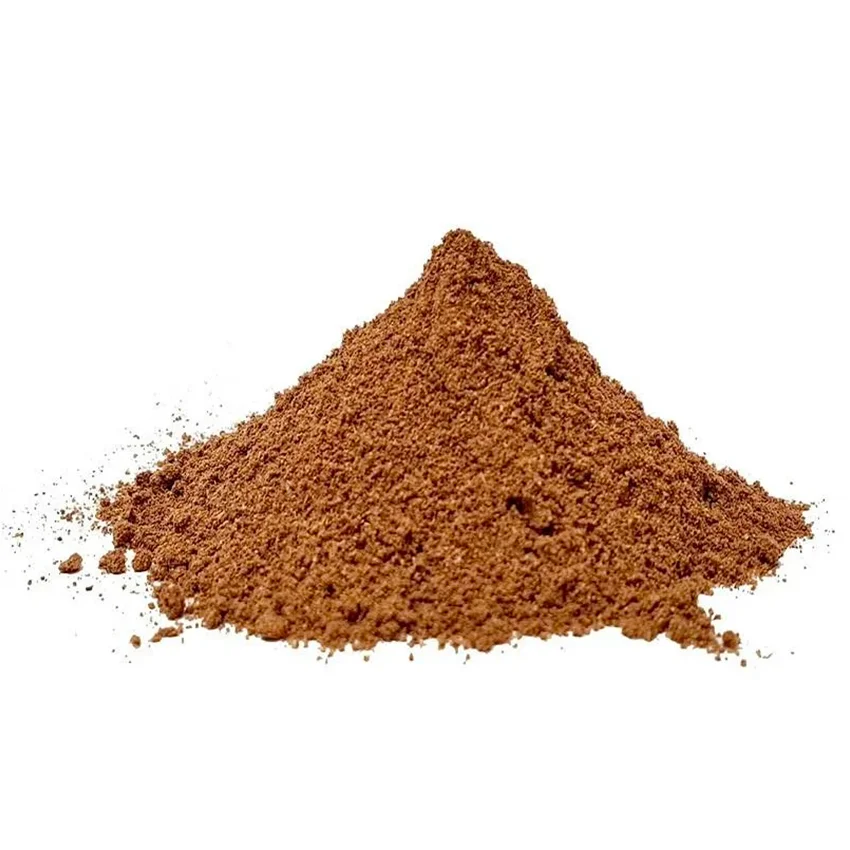
Pillar ingredient · Guéra, Chad
Chebe powder, the way the women of Guéra actually make it.
Chebe is a traditional Chadian hair preparation that helps protect strands from breakage during long-term braiding. It is not a growth oil and not a single plant. We source ours directly from the Guéra Women’s Cooperative who blend it by hand, the way it has been made for generations.
What chebe really is
Chebe (sometimes written chébé or chebbe) is a powdered preparation made by blending several plant ingredients native to the Guéra mountains in central Chad. The dominant component is the seed of Croton zambesicus, ground and combined with a mineral resin called missir, cherry stones (samne), and shade-dried lavender (khumra). The exact ratios are a household tradition, passed mother to daughter, with small variations between villages.
Chebe is not a single plant, not a growth stimulant, and not an oil. It is a protective coating ritual. The women of Guéra mix the powder into a paste with a small amount of oil and water, work it through the lengths of the hair (never the scalp), then braid the hair away from friction for days or weeks at a time. The result is hair that breaks less, retains length, and reaches lengths that surprise anyone who has not seen it in person.
“In our village we do not say chebe makes hair grow. We say chebe is what stops hair from leaving. The growth was already happening.”
Halime, member, Guéra Women’s Cooperative
How to use chebe
The method matters more than the bag. Chebe is a length protector, not a leave-in. The traditional sequence has four steps and assumes you will keep the protective braids in place for at least one week.
- Hydrate first. Wet hair from mid-length down, or use a leave-in conditioner. Chebe binds to damp hair, never dry hair.
- Oil the lengths. A teaspoon of a heavy oil (we recommend our shea butter melted, or chebe oil) worked through the lengths.
- Apply the paste. Mix one tablespoon of chebe powder with two tablespoons of water in your palm. Smooth onto the lengths, never the scalp. Work in sections.
- Braid and protect. Plait into 6 to 12 sections. Cover with a satin scarf at night. Refresh every 4 to 7 days with a light water mist and a drop of oil.
Chebe is washed out with shampoo. Plan one wash day per week or per fortnight. Between washes, the powder sits in the hair as a fine protective film.
Why it works (in plain language)
The published research on chebe is thin. The mechanisms below are the most credible inferences from the ethnobotanical literature and the cosmetic chemistry of the constituent plants. Treat them as reasoned explanation, not as established fact.
- Croton zambesicus seeds contain natural fatty alcohols and resins that coat the hair shaft and reduce mechanical friction. This is the same principle as a silicone smoothing serum, with a different chemistry.
- Missir (mineral resin) acts as a film-former that hardens slightly on the strand, creating a microscopic protective sleeve.
- Khumra (lavender) brings volatile aromatic compounds, which is why braided hair treated with chebe stays fresh-smelling between washes.
- The braiding itself reduces friction with pillows, collars, and combs. Chebe and the protective style are inseparable. Powder alone is half the result.
None of this should be read as a clinical claim. We do not promise growth in inches, and we do not promise results without the protective braiding routine. We sell the ingredient. The method is yours.
Real chebe versus imitation
The viral popularity of chebe outpaced its supply. Most “chebe powder” sold online today is one of three things: pure crushed Croton seeds (closer to “chebe oil base”, missing the mineral and floral fractions), a generic herbal blend with chebe on the label, or a Niger or Mauritanian copy that uses different botanicals. None of these are wrong by themselves. They are just not Chadian chebe.
| Trait | Real Chadian chebe | Common imitations |
|---|---|---|
| Color | Brown-grey, never bright green or pure black | Bright green (added herbs) or jet black (charcoal) |
| Smell | Earthy, faintly floral from khumra | Strongly perfumed or completely odorless |
| Texture | Coarse, irregular grind, visible flecks | Uniform fine powder (over-processed) |
| Behavior in water | Forms a paste, slight resin tackiness | Dissolves cleanly or stays gritty |
| Origin claim | Names the village or cooperative | “African chebe” or “imported” |
Where our chebe comes from
Our chebe is blended by the Guéra Women’s Cooperative in the Guéra region of central Chad. They harvest Croton seeds locally, source missir from a single quarry an hour’s walk from the village, and add khumra grown in their own gardens. We pay the cooperative directly, in advance of each harvest, at a rate they set.
A share of wholesale revenue is ring-fenced for community projects and allocated each year by a council the cooperative elects. Past projects funded include a deep well, school supply kits, and a sorghum grain store that protects the village against price spikes during the lean season.
How we QC each batch
Every batch of chebe goes through three checks before it leaves our Cotonou warehouse. We publish the QC summary on the Certificate of Analysis attached to each wholesale order, and we send it on request for retail orders from 5 kg.
Visual
Color, grind size, foreign matter, and signs of moisture damage. Checked against a reference batch before packing.
Documentary
Cooperative slip, harvest date, batch ID, and a photo of the batch on arrival. Tracked in our internal lot system.
Lab
Independent lab tests for microbial load and heavy metals (Pb, As, Cd, Hg) on every batch. Pesticide screening available on request.
Three traditional recipes
Three ways the Guéra women themselves use chebe. Adapt the oils to what your hair already loves.
Recipe 1
The classic paste
- 1 tbsp chebe powder
- 2 tbsp warm water
- 1 tsp shea butter, melted
Mix into a paste in your palm. Apply to the lengths only. Plait, scarf at night, refresh weekly.
Recipe 2
The infused oil
- 2 tbsp chebe powder
- 250 ml carrier oil (jojoba or castor)
- 2 weeks of patience
Combine in a clean jar. Shake daily for 14 days. Strain through muslin. Apply to the lengths between paste days.
Recipe 3
The deep mask
- 1 tbsp chebe powder
- 1 tbsp ambunu leaves, soaked
- 1 tbsp shea butter
- 4 tbsp warm water
Apply on wash day, leave 30 minutes under a cap, rinse, then style. The ambunu detangles, the chebe coats.
Shop chebe
Three ways to start.
Chebe Hair Care Routine · Ambunu, Chebe & Shea Butter
Original price was: $704.97.$634.47Current price is: $634.47.Chebe Powder Wholesale · Authentic, Direct from Chad
Price range: $269.99 through $2,059.99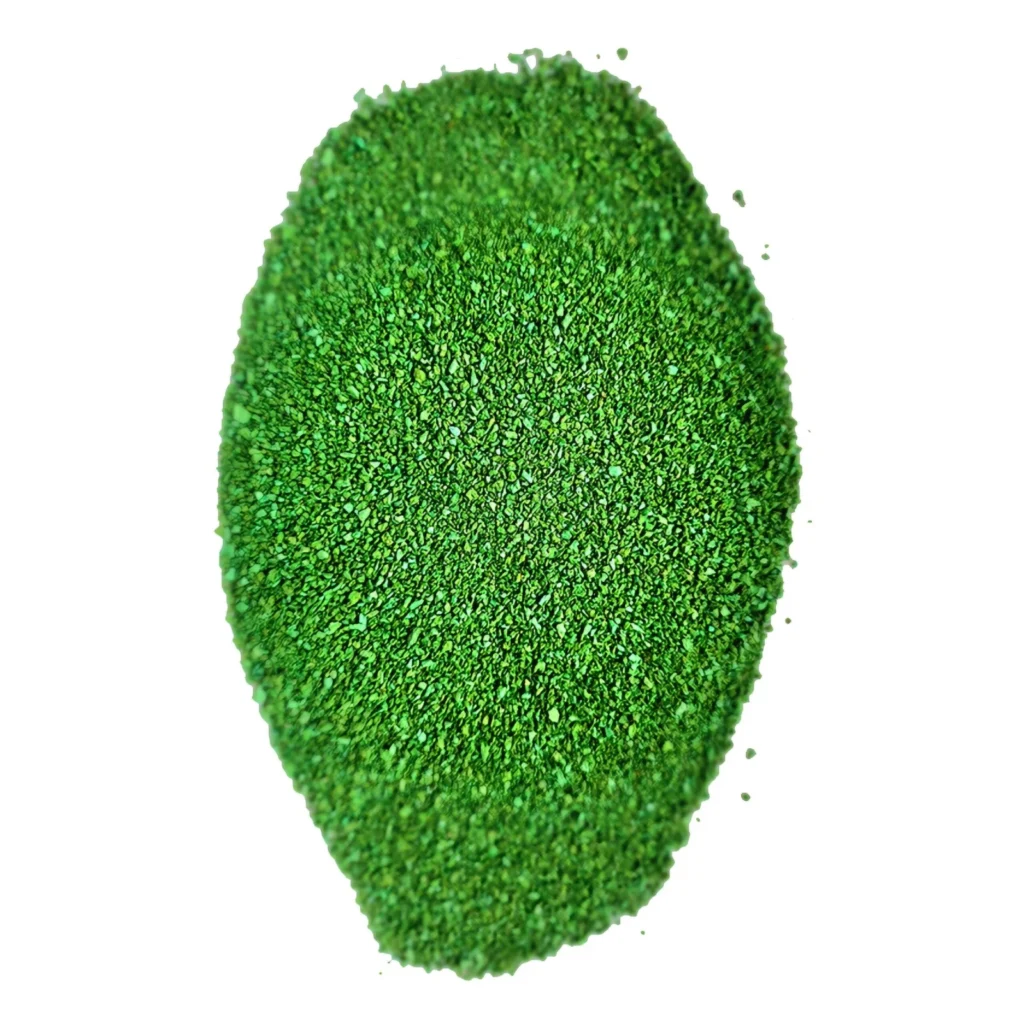
Dihé Spirulina · Wild-Harvested by Kanembu Women, Lake Chad
Price range: $369.99 through $4,914.99
Frequently asked
Chebe questions, answered honestly.
Will chebe make my hair grow?
Chebe does not stimulate growth. Your hair grows at the rate it was always going to. What chebe does is reduce mechanical breakage during long-term protective styling, which means more of the length you grow stays attached. The visible “growth” is retention, not faster growth.
Can chebe be used on relaxed, dyed, or low-porosity hair?
Yes, with adjustments. Relaxed and dyed hair tends to be more porous, so use less powder and more oil to avoid stiffness. Low-porosity hair benefits from warming the paste before application. Always patch-test on a small section first.
How often should I apply chebe?
Once per protective style cycle, refreshed every 4 to 7 days with water and a touch of oil. Most users do a full reset and re-application weekly or every two weeks, on wash day.
Will chebe leave a smell or color in my hair?
A faint earthy-floral scent that fades after one or two days. Real chebe leaves a slight grey-brown cast on very light blonde hair. On all other shades it is invisible.
What if I am pregnant or breastfeeding?
Chebe is a topical hair preparation used by Chadian women for generations during pregnancy. We are not a medical authority. Talk to your healthcare provider if you have any concern, and always patch-test.
Is your chebe certified organic?
No. We hold no organic certification and neither does the cooperative. The Croton seeds and the mineral resin are gathered wild, which cannot be certified under schemes designed for cultivated land. What we document instead is the cooperative, the harvest date and the lot.
How do I know your chebe is real?
Each batch is traced back to the Guéra Women’s Cooperative, photographed on arrival, and tested in an independent lab. Request the Certificate of Analysis for any retail order from 5 kg, and it is included on every wholesale order.