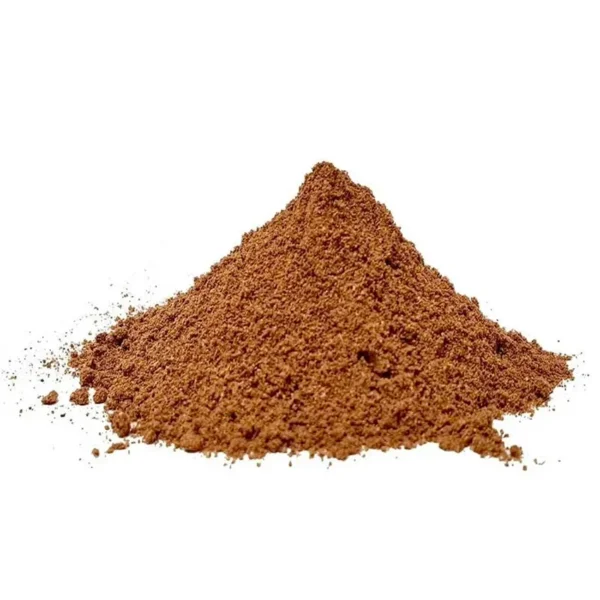
Botanical specifications
- Botanical name: Croton zambesicus
- Plant family: Euphorbiaceae
- Plant part used: Seeds + bark resin (with mahaleb cherry pit, cloves, sandalwood)
- Origin: Guéra region, Chad
- Certification status: Not certified organic. Cooperative and lot documentation available on request.
Direct from Chad · No middlemen
Why we go to Chad ourselves
Most Chebe powder sold online passes through three or four hands before reaching you. We do it differently. We work directly with women’s cooperatives in the Guéra region of central Chad, the historical homeland of the tradition.
This is why McBride Research Laboratories, the company behind Design Essentials, chose Essential Care Plus as their direct supplier in 2022, and travelled with us to Chad to document the work themselves.
The Basara women of Chad: keepers of an ancestral haircare practice
Chébé powder is not a modern beauty product. It is a centuries-old tradition guarded by the Basara Arab women of Chad, a semi-nomadic community living in the harsh Sahelian region of central Africa. In one of the driest, hottest climates on Earth, these women keep hair that reaches well down their backs, not because it grows faster, but because so little of it breaks off.
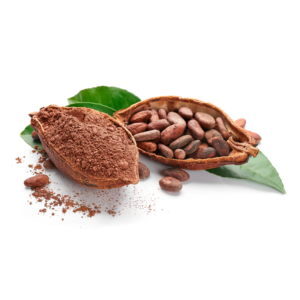
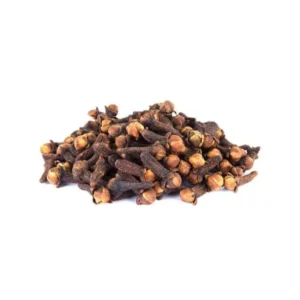
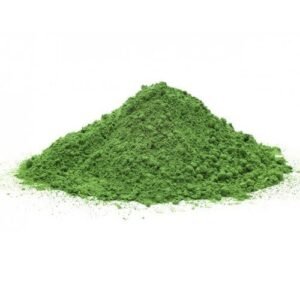
The recipe is simple in name and complex in practice: Chebe seeds (Croton zambesicus), Mahllaba Soubiane (cherry pit kernels), cloves, samour resin, and lavender stone scent, all roasted, ground by hand, and combined into a fine, fragrant powder. The mixture is then blended with oils or butters and worked into the hair shaft from mid-length to ends, never applied to the scalp.
What it produces is a botanical coating that holds moisture against the hair shaft and reduces mechanical breakage, which is what allows length to accumulate over years. This is the foundation of what the women of Chad have called, for generations, simply: Chébé.
Our partner: the Guéra Women’s Cooperative
In the central Tchadian region of Guéra, a rocky, semi-arid landscape where Basara families have lived and gathered Chebe ingredients for centuries, we work directly with a women’s cooperative whose members harvest, roast, and grind the ingredients using the methods passed down to them by their mothers and grandmothers.
The Guéra Women’s Cooperative is more than a supplier. It is a community of women whose work has long been invisible in global beauty markets that resold their tradition without naming or paying them fairly. We changed that. Each shipment we export from Cotonou begins with a direct purchase from these women, at a fair price, with payments made before the powder leaves Chad.
Beyond the purchase, our partnership has co-funded the construction of a drinking-water borehole, supported the reconstruction of agricultural granaries, and contributed to material and financial donations for the producing community. This work is documented, not marketed.
Filmed by Design Essentials in March 2023
When McBride Research Laboratories decided to integrate authentic Chebe powder into their Design Essentials product line, they did not just buy from us. They came with us to Chad. The result was a short documentary film, “Journey to Chad: The Origin of Chebe Powder”, released on the official Design Essentials YouTube channel.
“Journey to Chad: The Origin of Chebe Powder”, short film produced by Design Essentials, March 2023.
Public endorsement from McBride Research Laboratories
“I’ve had the pleasure of working with Zinsou on a key project to source Chebe powder as well as donate back to the community in Chad. He and his company are professional and have extended themselves above and beyond. Our company remains excited about doing business with Essential Care Plus. We are blessed to have met and partnered together.”
Darrielle Duplessis, Director of Marketing, McBride Research Laboratories / Design Essentials
What real, traceable Chebe gives you
The market is full of “Chebe-inspired” powders that contain no Chebe seed, no cherry pit kernels, and no resin from Chad. Some are simply fenugreek and clove with food coloring. The difference shows up after three weeks of use, or rather, it doesn’t show up at all.
- Authentic ingredients from the source. Croton zambesicus seeds, real cherry pit kernels, samour resin, cloves and stone scent, the historical formulation, not a substitute.
- Length retention, not false growth claims. Chebe coats and protects the hair shaft. It reduces breakage so your hair keeps the length it grows. We don’t claim it stimulates follicles, because the evidence does not support that, but length retention is real and measurable.
- Phytosanitary certificate issued for every export shipment, as required by international plant-product regulation.
- Sourcing you can trace. The same supply chain trusted by Design Essentials. Filmed. Documented. Endorsed publicly by McBride Research Laboratories.
- A purchase that gives back. Each order contributes to water access, education, and community initiatives in the producing communities.
We ship from Africa. If you change your mind, the return travels the same route, so return shipping is at your cost and starts around $125 for a 1 kg parcel. If an item arrives damaged, defective or wrong, email us within 48 hours with photos: we always find an arrangement with you, and no return shipment is needed. See our return policy.
Reviews
There are no reviews yet.