Botanical specifications
- Botanical name: Nigella sativa
- Plant family: Ranunculaceae
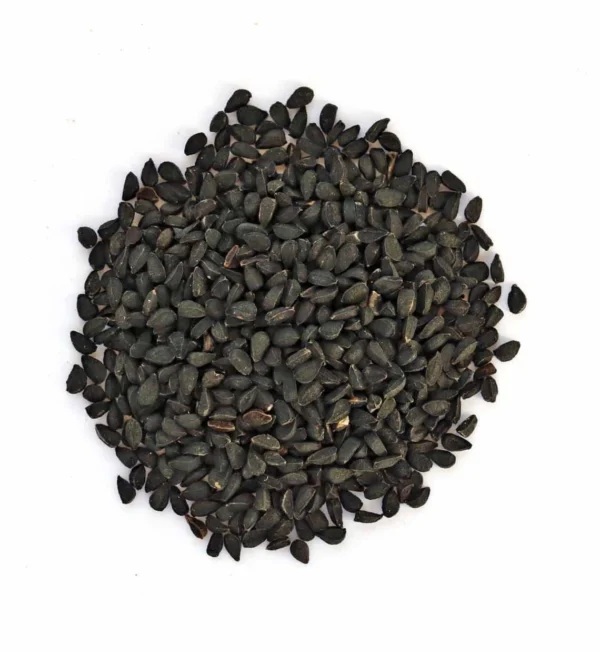
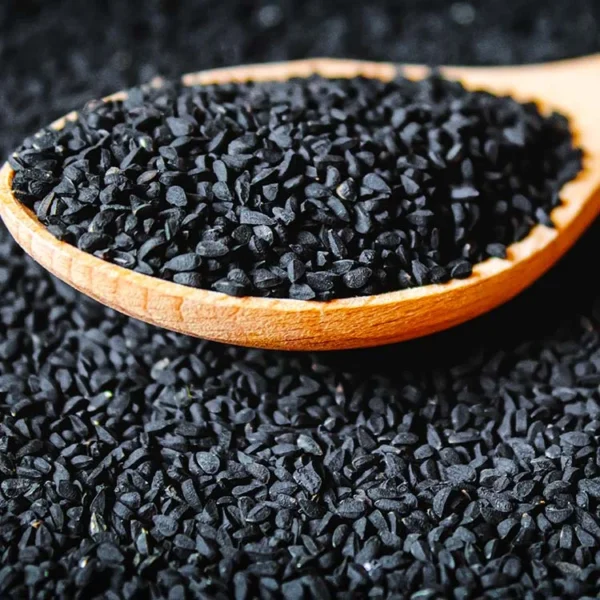
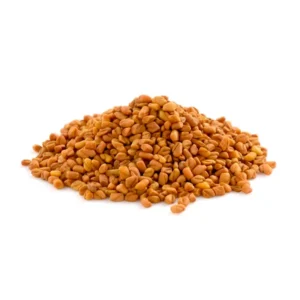
- Plant part used: Seeds (whole, black)
- Origin: East Africa / North Africa
- Exceptional Quality: Our nigella seeds are carefully selected and undergo stringent quality checks to ensure superior taste and aroma.
- Versatile Ingredient: Add depth and complexity to your dishes with nigella seeds. Sprinkle them on bread, salads, yogurt, or use them as a seasoning for meats and vegetables.
- Health Benefits: Not only do nigella seeds enhance the flavor of your food, but they also offer various health benefits. Rich in antioxidants and essential nutrients, they promote overall well-being.
- Authentic Flavor: Experience the authentic taste of the Mediterranean and Middle East with our nigella seeds. Their earthy, slightly bitter flavor adds a distinctive touch to any dish.
- Convenient Packaging: Our nigella seeds come in a resealable pouch to ensure freshness and convenience. Store them easily in your pantry and enjoy their flavor whenever you desire.
- Sprinkle nigella seeds over freshly baked bread or pastries for an aromatic twist.
- Incorporate them into marinades or spice rubs for grilled meats and vegetables.
- Blend nigella seeds into yogurt or hummus for a flavorful dip.
From North African · Habbatul Barakah
Why our Nigella seeds come from North African tradition
Nigella seeds (Nigella sativa) have one of the oldest documented histories of any cultivated plant on the African continent. Seeds have been recovered from the tomb of Pharaoh Tutankhamun, dated to around 1325 BCE. They are mentioned in the Old Testament, in the Assyrian Herbal of Mesopotamia, and across the Islamic medical tradition. In Arabic, they are known as Habbatul Barakah “the seed of blessing.”
We source our Nigella seeds through the North and West African producer network, where the plant is naturalised across the Mediterranean belt and the Sahel.
The seed of pharaohs, prophets, and physicians
Few plants in human history can claim documented continuous use across three or four civilisations. Nigella sativa can. Archaeologists have recovered seeds from Egyptian tombs, including King Tutankhamun’s, suggesting use in royal life and burial rites going back over 3,000 years. The Old Testament refers to the seed by its Hebrew name, ketzah. Greek physicians Hippocrates, Dioscorides wrote about its medicinal applications. Roman writers documented its use as a culinary spice.
In the Islamic medical tradition, the seed acquired its most famous reputation. A hadith attributed to the Prophet Muhammad (peace be upon him) describes Nigella seed as “a remedy for every disease except death.” The Persian polymath Avicenna (Ibn Sina), in his Canon of Medicine (early 11th century), discussed Nigella sativa for respiratory complaints dyspnea, coughs, infections. The seed appears across the entire Greco-Arabic, Unani, and Tibb-e-Nabwi medical traditions, all of which spread through North and West Africa as Islamic culture expanded.
This is why, today, you will find Nigella seeds in Berbere blends from Ethiopia, in harissa pastes across the Maghreb, in spice mixes from Senegal to Sudan, and in countless household remedies across the Muslim world.
How they are grown and harvested
Nigella sativa is an annual flowering plant in the buttercup family (Ranunculaceae). It grows 20–30 cm tall, with feathery leaves and pale blue or white flowers. After the flowers drop, the plant produces capsule-like seed pods containing tiny, deeply black, three-sided seeds with a distinctive aroma combining onion, oregano, and black pepper notes.
The plant grows well in the dry, sunny conditions of the Mediterranean basin, North Africa, and the Sahel. It is sown after the rainy season, harvested when the seed pods are dry and brittle, then thresher-cleaned and sun-dried. The seeds are not processed beyond cleaning they reach you essentially as the plant produced them, which is why it is so important that the producer harvests at the right stage and dries them carefully.
Our Nigella is sourced through the North and West African producer network where this is the standard method. The seeds you receive carry the full thymoquinone content the volatile bioactive compound that gives Nigella its characteristic warm aroma and the documented antioxidant and anti-inflammatory properties that modern pharmacology has confirmed.
The science behind the tradition
Modern peer-reviewed research has identified more than a hundred bioactive compounds in Nigella sativa. The most studied is thymoquinone, a volatile aromatic that has demonstrated antioxidant, anti-inflammatory, antimicrobial, hepatoprotective, and immune-modulating activity in numerous in-vitro and animal studies, with a growing body of human clinical trials. Other notable compounds include nigellone, nigellicine, and dolabellane-type diterpene alkaloids. None of this turns the seed into a pharmaceutical but it explains why so many traditions, working independently across continents, kept it in their medicine cabinets for thousands of years.
Beyond medicine, Nigella seeds are simply a remarkable spice. Toasted lightly in a dry pan, they release a warm, almost smoky aroma that lifts breads, savoury cheeses, pickles, and rice dishes. The black seed oil, cold-pressed from the seed, is used as a finishing oil in dressings and traditional preparations.
What real Nigella seeds give you
- Authentic Nigella sativa seeds from North and West African producer regions the historic homeland of the Habbatul Barakah tradition.
- Carefully harvested at full maturity, sun-dried, and minimally processed to preserve the volatile thymoquinone content responsible for both flavour and bioactivity.
- Whole seeds, intact not pre-ground (which loses aroma rapidly) and not blended with cheaper substitutes like Bunium persicum (also confusingly called “black cumin”).
- Versatile. Spice for breads, savoury dishes, pickles, and curries; traditional preparation in oils and tonics; ingredient for modern functional food formulation.
- Phytosanitary certificate issued for every export shipment, as required by international plant-product regulation.
- A purchase that gives back. Each order contributes to community development work in our partner regions across West Africa.
Reviews
There are no reviews yet.