Botanical specifications
- Botanical name: Trigonella foenum-graecum
- Plant family: Fabaceae
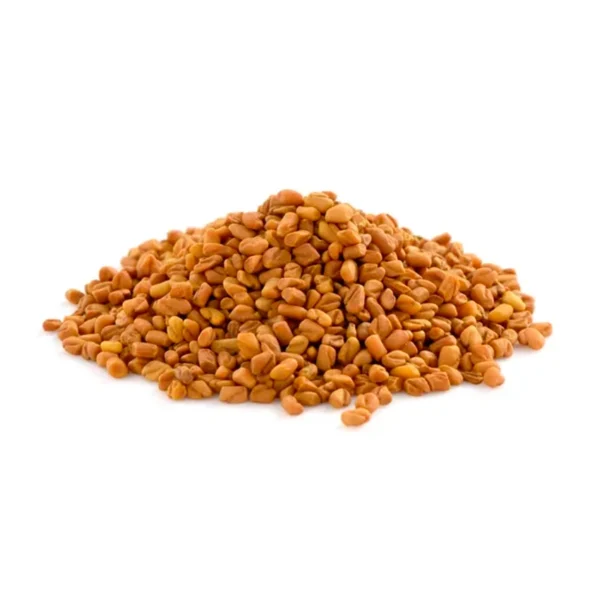
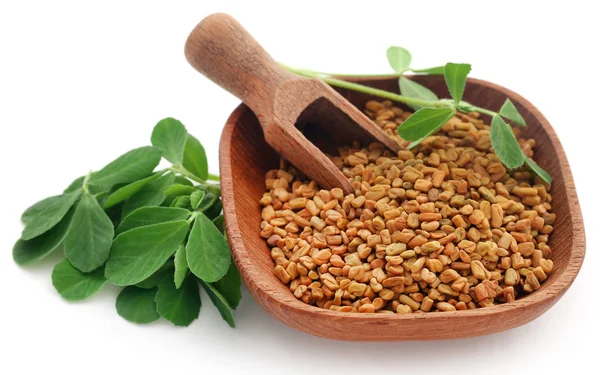
- Plant part used: Whole seeds
- Origin: North Africa / Sahel
- 100% Organic: Our fenugreek seeds are certified organic, free from pesticides and harmful chemicals.
- Rich Flavor: With their slightly sweet, nutty taste, these fenugreek seeds add depth and complexity to your dishes.
- Versatile Ingredient: Perfect for curries, stews, soups, and as a spice rub for meats. Get creative and explore the culinary possibilities.
- Health Benefits: Fenugreek seeds are rich in nutrients and known for their numerous health benefits. They are a good source of protein, fiber, iron, and magnesium.
- Packaging: Comes in a resealable bag to maintain freshness and flavor.
- Cooking: Add a teaspoon of fenugreek seeds to your favorite dishes to enhance their flavor.
- Herbal Tea: Brew fenugreek seeds into a tea for a soothing and aromatic beverage.
- Sprouting: Fenugreek seeds can be sprouted and added to salads for a nutritious boost.
- Quality Assurance: We are committed to providing the highest quality organic products to our customers.
- Sustainable Sourcing: Our fenugreek seeds are sourced from sustainable and ethical farms.
- Customer Satisfaction: We strive to ensure your satisfaction with every purchase. If you’re not happy with our product, we offer a full refund.
From North African tradition · Halba / Methi
Why our Fenugreek comes from a North African tradition
Fenugreek (Trigonella foenum-graecum) is one of the oldest cultivated plants on Earth. Egyptian farmers have been growing it for at least 4,000 years. It is documented in the Ebers Papyrus (one of the oldest medical texts known to humanity, c. 1500 BCE), found in Pharaonic tombs, and has remained a continuous part of North African culinary and medicinal traditions to this day.
In French it is sometimes called sénégrain a name that hints at its centrality across the West African diet as well. We source our seeds from the producer network across North and West Africa where the plant is most extensively cultivated.
From the Ebers Papyrus to the modern North African kitchen
The botanical name says it all. Trigonella comes from the Greek trígōnos “triangular” in reference to the angled shape of the seeds. Foenum-graecum means literally “Greek hay,” a name given by Roman writers because the plant was grown widely as fodder around the eastern Mediterranean. But its origins are older than Greece or Rome: archaeological evidence places fenugreek in the eastern Mediterranean and North Africa for at least 6,000 years, with seeds recovered from sites in Tell Halal (Iraq) dated to 4000 BCE.
In ancient Egypt, fenugreek was used as a food vegetable, as an aromatic in incense, and strikingly in the embalming process for mummies. Egyptian women, then as now, used it to support lactation and to ease menstrual discomfort. The Ebers Papyrus describes preparations for respiratory complaints. The traditional uses have remained remarkably consistent across millennia.
Today fenugreek is known by many names: halba in Arabic (Maghreb, Levant), methi in Hindi and Urdu, hebleh in the Middle East, sénégrain in French, fieno greco in Italian, alholva in Spanish. The plant has travelled but its cultural centre of gravity has stayed where it began: North Africa, the eastern Mediterranean, and the Indian subcontinent.
How fenugreek is grown and processed
Fenugreek is an annual herbaceous legume in the Fabaceae family. It grows up to 60 cm tall, with trifoliate leaves resembling clover and small white-to-yellow triangular flowers. After flowering, the plant produces long, thin, hooped seed pods, each containing 10–20 angular golden-brown seeds with the unmistakable aroma sometimes described as resembling maple syrup or burnt sugar.
The plant is well-suited to the calcareous soils and dry summers of North Africa and the Sahel. It is sown after the rains, grows quickly, and produces harvestable seed pods within four to five months. The pods are cut, dried, then threshed by hand or with simple equipment to release the seeds. The seeds are sun-dried, cleaned, and packaged no industrial processing required, no extraction, no flavour adjustment. What you receive is what the plant produced.
Our fenugreek is sourced through North and West African producers who follow this traditional method. The seeds reach you with full aroma, full diosgenin and saponin content (the bioactive compounds responsible for the seed’s pharmacological activity), and the firm, hard texture of properly dried seeds.
What fenugreek does culinary and traditional medicine
In the kitchen, fenugreek is one of the defining flavours of North African cuisine. It appears in spice blends across the Maghreb, in methi-based dishes from India to East Africa, in Egyptian breads, in Yemeni saltah, and in countless lentil and pulse preparations across the Muslim world. Toasted lightly before grinding, the seeds release a complex aroma that anchors stews and curries. Sprouted, they become a slightly bitter green used as a vegetable.
In traditional medicine, fenugreek has been used for centuries as a galactagogue (lactation stimulant), digestive support, demulcent for sore throats and respiratory complaints, and a tonic for general metabolism. Modern research (PMC, peer-reviewed) has confirmed that the seeds contain saponins, alkaloids, tannins, phenols, and diosgenin phytochemicals with documented activity on glucose metabolism, lipid profiles, and inflammatory markers in clinical studies. None of this turns the seeds into a medicine, but it explains why so many cultures kept them in the kitchen.
What real, traceable fenugreek seeds give you
- Authentic Trigonella foenum-graecum seeds from North and West African producer regions the cultural homeland of the halba tradition.
- Sun-dried whole seeds, not pre-ground (which loses aroma fast) and not roasted at high temperature (which damages the diosgenin and bioactive saponins).
- Full aromatic profile the warm, slightly sweet, maple-syrup-like aroma that defines real, fresh fenugreek.
- Versatile. Spice in stews, curries, breads, lentil dishes; ground in spice blends; sprouted as a green; ground and infused as a traditional preparation; ingredient in haircare paste alongside other African botanicals.
- Rich in saponins, diosgenin, alkaloids, and soluble fibre the phytochemicals responsible for the seed’s documented activity in modern research.
- Phytosanitary certificate issued for every export shipment, as required by international plant-product regulation.
- A purchase that gives back. Each order contributes to community development work in our partner regions across West Africa.
Reviews
There are no reviews yet.