Botanical specifications
- Botanical name: Syzygium aromaticum
- Plant family: Myrtaceae
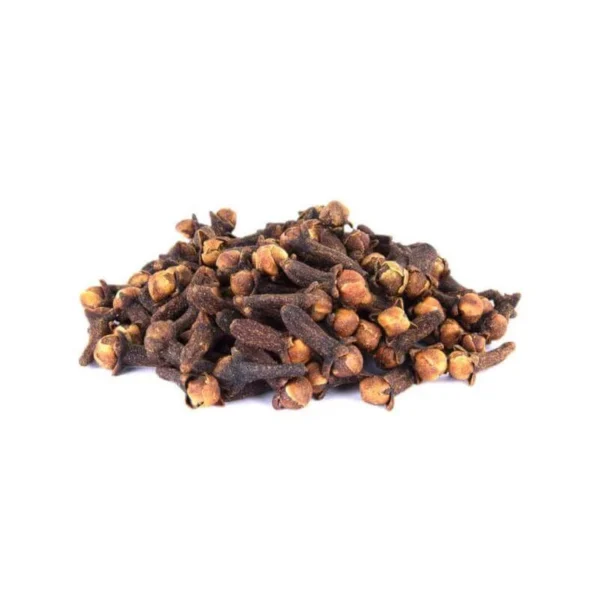
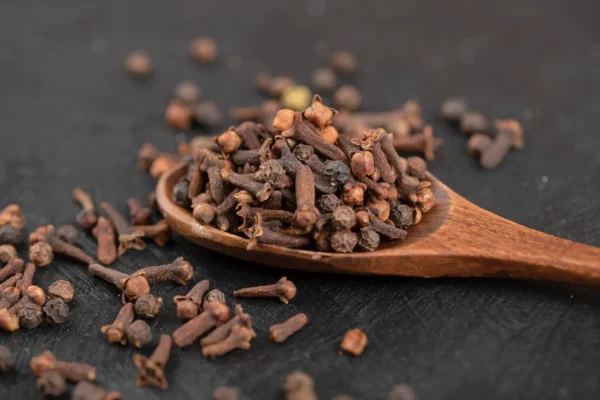
- Plant part used: Sun-dried flower buds
- Origin: East Africa / Southeast Asia, sourced through the West African spice trade
- Certification status: Not certified organic. Lot and sourcing documentation available on request.
From the West African spice trade
Why our Cloves come from West African markets
The clove tree (Syzygium aromaticum) does not grow in the Sahel, it requires the humid tropical climate of equatorial islands. But cloves have been part of the West African spice trade for centuries, traded along the trans-Saharan and coastal routes that connected the continent to the Indian Ocean. Our cloves are sourced through this West African trade network, hand-selected for size, oil content, and aroma.
We are honest about this: clove trees do not grow at our latitude. What we offer is the result of a real West African spice trade tradition, the same that turned cities like Agadez, Timbuktu, and the coastal markets of the Bight of Benin into centres of spice commerce centuries ago.
A spice that travelled with kings and traders
Cloves were among the most valuable spices in the world for over two thousand years. Romans imported them from the Spice Islands at extravagant prices. Medieval Arab traders carried them across the Sahara into the great West African empires, the Mali Empire, Songhai, Kanem-Bornu, where they entered the kitchens of nobles and the storerooms of merchants.
The botanical name Syzygium aromaticum describes precisely what cloves are: highly aromatic flower buds, picked just before they open, then sun-dried until they harden into the dark, nail-shaped buds you recognise. (“Clove” itself comes from the Latin clavus, meaning “nail.”) The compound responsible for their distinctive flavour is eugenol, which can constitute up to 80% of clove essential oil.
Why we source through the West African trade
Most cloves on the global market are sourced through industrial commodity channels, large export houses in Indonesia, Madagascar, or Tanzania selling directly to multinational spice processors who then re-export from Europe. We work differently. Our cloves are sourced through the established West African spice trade network, hand-selected by buyers who know how to evaluate cloves the traditional way: by size, density, oil content, and aroma.
This means our cloves go through fewer industrial intermediaries than commodity-grade cloves. They are stored in conditions appropriate to spices (cool, dry, dark, away from other strong aromatics) rather than warehoused in bulk for months. They are inspected by hand before packing.
It also means that our buying supports a regional trade network that has existed for centuries, not a globalised commodity supply chain that bypasses Africa entirely while sourcing African-traded spices.
Working with cloves in the kitchen
Eugenol is powerful, which is why cloves are used sparingly. Whole buds infuse slowly and can be removed before serving, which is why they suit long-simmered dishes: stews, stocks, biryanis, mulled wine, poaching syrups. Ground cloves release everything at once and are better suited to baking, where they sit alongside cinnamon, nutmeg and ginger.
A practical rule from West African cooks: two or three whole buds are enough for a pot serving six. Cloves dominate a dish quickly, and the flavour cannot be pulled back once it is in. Toast them briefly in a dry pan before grinding if you want a rounder, less sharp profile.
Stored whole in a sealed jar away from light, cloves hold their oil for well over a year. Ground cloves lose aroma within a few months, which is the main argument for buying them whole.
What our hand-selected cloves give you
- Whole cloves, hand-selected through the West African spice trade network, not anonymous commodity-grade bulk.
- Authentic Syzygium aromaticum, picked at the bud stage and properly sun-dried for maximum eugenol content and aroma.
- Graded by hand on size, density and oil release, the traditional criteria for clove quality.
- Stored properly, cool, dry, dark, separated from other strong aromatics that contaminate spice flavour over time.
- Versatile, spice blends, teas, mulled drinks, biryanis, stews and marinades.
- A purchase that gives back. Each order contributes to community development work in our partner regions across West Africa.
We ship from Africa. If you change your mind, the return travels the same route, so return shipping is at your cost and starts around $125 for a 1 kg parcel. If an item arrives damaged, defective or wrong, email us within 48 hours with photos: we always find an arrangement with you, and no return shipment is needed. See our return policy.
Reviews
There are no reviews yet.